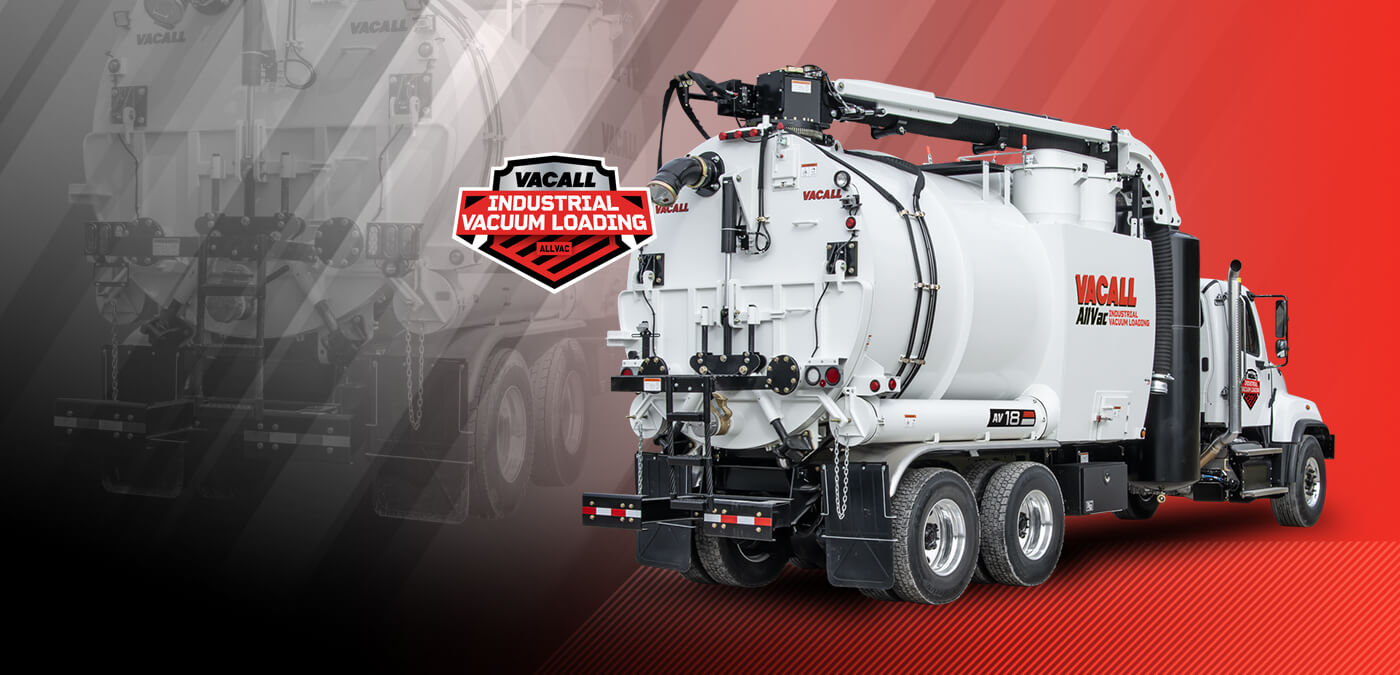
If your fleet cleans sewer or storm lines, the combination sewer cleaner — often called a sewer jetting and vacuum truck — is probably the single most important machine you'll buy. It replaces two trucks with one: high-pressure water jetting to break up blockages, and a powerful vacuum system to remove the debris in the same pass.
This guide walks through what the machine actually does, the specifications that matter, and the questions to answer before requesting a quote — whether you're a municipality writing a bid specification or a contractor sizing a fleet.
A combination sewer cleaner performs two operations in one truck:
The result: a line that isn't just flushed but cleared — ready for CCTV inspection or rehabilitation work.
Freshwater tanks typically range from ~800 gallons on compact units to 2,000+ gallons on full-size combination trucks. Capacity determines how long you clean before returning to a hydrant — and it's the spec most fleets underestimate.
Debris capacity determines how many manhole segments you clear before dumping. Full-size units carry 12–15+ cubic yards. Consider your dumping logistics when choosing.
Boom placement — front or rear — changes how the truck positions at the manhole and how the operator works. Front booms simplify positioning on many municipal routes; rear booms serve different access patterns. Some units offer hose reel options on both.
Single-engine combination cleaners drive the jetting and vacuum equipment directly from the truck's engine — fewer systems to maintain, lower fuel burn, quieter operation. Dual-engine designs dedicate a separate engine to the working equipment, which can sustain higher output for continuous heavy-duty cycles. For most municipal routes, modern single-engine designs are the efficient choice; heavy contractor duty may justify dual-engine.
A recycler system filters the water vacuumed from the line and feeds it back to the jetting pump. Instead of using each gallon of water once, the truck reuses it — dramatically extending cleaning time per fill and reducing the environmental footprint of every route.
On long municipal routes, a water recycling system can be the difference between finishing the day's segments or not.
Many combination units also serve as catch basin cleaners — vacuuming sand, leaves and debris from stormwater structures. If your department maintains storm infrastructure, this dual capability should be in the spec from day one. Dedicated catch basin cleaners with class-leading airflow exist for departments that do this work full-time.
Municipal procurement rewards precise language. In specifications and bids, use official terms: Combination Sewer Cleaner, Jetting System, Vacuum Excavation, Catch Basin Cleaner. Industry slang like "combo vac truck" belongs in conversation, not in the bid document — terms should align with how manufacturers describe the equipment and how procurement searches find it.
Full-size combination cleaners typically require CDL operation; some compact and vacuum excavation configurations come in non-CDL chassis options that open hiring pools considerably. Factor operator licensing into the total cost of ownership — the best truck is one you can staff.
Water pumps, vacuum blowers, boom hydraulics and hose are the wear items. A dealer with a real service division behind the sale is not a luxury — it's how the machine stays on route. Ask about parts availability and service response before you buy.
Used combination trucks can offer value but carry hidden risk in pump and blower condition. A factory-backed new unit with warranty coordination — quoted to your routes — usually wins the 15-year total-cost math for municipal fleets.
Bring those answers and the quote you get back will be a real machine configuration — not a catalog guess.
Tell us the routes and we'll come back with the right machine configuration — Vacall's full line is quoted to your fleet's spec, from compact jetters to full-size AllJetVac combination cleaners with Recycler systems.
Explore the Vacall Line →