EQUIPMENT INSIGHTS · BUYING GUIDE
COMBINATION SEWER CLEANERS
NEW ENGLAND · TEXAS
The guide we'd give you on the phone — before the quote.
[email protected] · [email protected]
Tell Equipment & Sales
Home / Blog / Buying a Sewer Truck for a Municipality: Specs, Bids and Procurement
Procurement Guide · 11 min read

Buying a Sewer Truck for a Municipality: Specs, Bids and Procurement

Tell Equipment & Sales · August 28, 2026 · Municipal
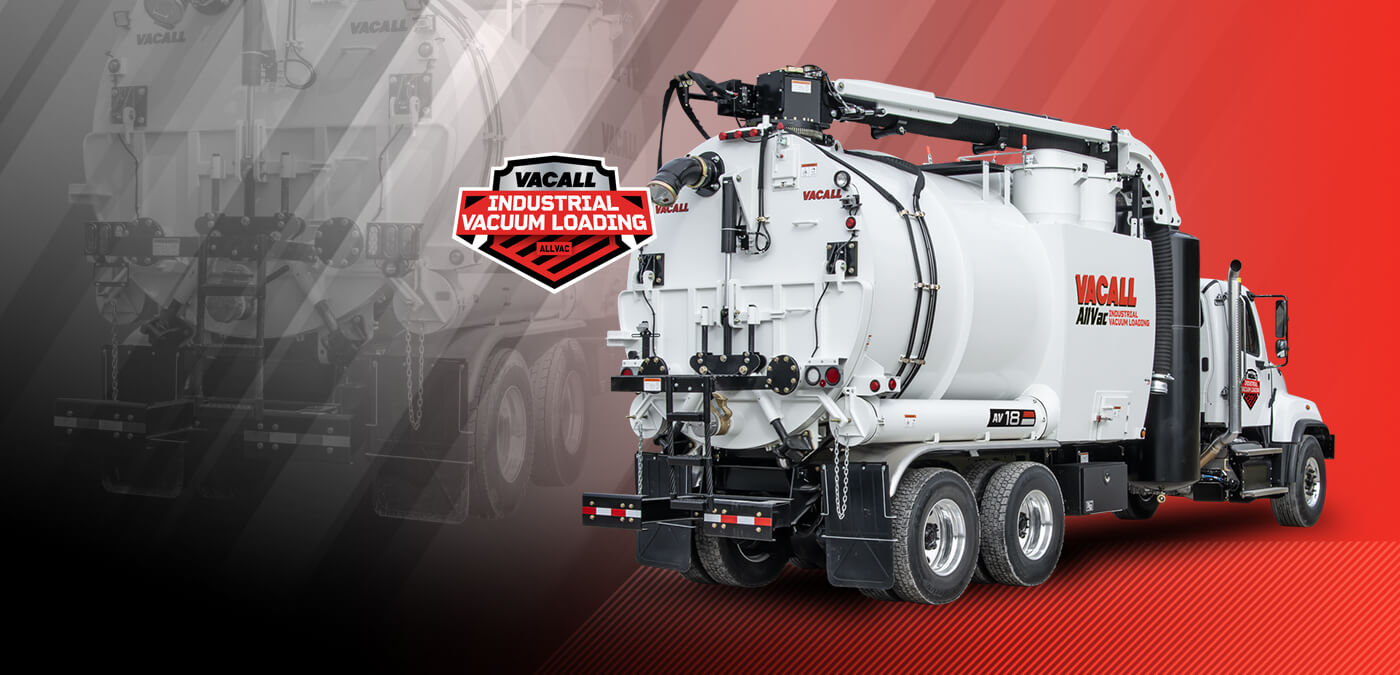
Vacall combination sewer cleaner
Jetting boom deployed over a manhole — the signature working position of a combination sewer cleaner

A sewer truck purchase outlives most careers — 15+ years of service from decisions made in one procurement cycle. Here is how municipal buying actually works, and where the spec really matters.

01 · The Stakes: A 15-Year Decision

Municipal sewer trucks don't turn over like cars — a combination cleaner purchased this year will still be cleaning lines in 2040. The specification written this quarter determines maintenance costs, operator staffing and route capability for a generation.

02 · Official Terminology: Why It Matters in Bids

Bid documents reward precise language: Combination Sewer Cleaner, Truck-Mounted Jetter, Catch Basin Cleaner, Vacuum Excavator. Slang ("combo vac truck") in a specification creates ambiguity bidders must interpret — and interpretation risk lands on the municipality. Match manufacturer terminology and procurement searches find the qualified bidders.

03 · The Spec Decisions That Matter Most

  • Water and debris capacity — route range before fill/dump
  • Single vs dual engine — fuel, maintenance, output trade-offs (see our combination cleaner guide)
  • Boom placement — how the truck works your manholes
  • Water recycling — multiplies route capability
  • Chassis and licensing — CDL requirements shape your operator pool

04 · The Procurement Timeline Reality

Municipal buying runs: needs assessment → specification writing → bid publication → evaluation → award → build → delivery. Total cycle frequently runs 12–18 months, and equipment build time adds more. Fleets that start the spec conversation early get the truck when they need it.

05 · Writing a Specification Bidders Can Meet

Over-specification excludes qualified bidders; under-specification buys the wrong machine. The fix: ground the spec in the routes — miles of pipe, line sizes, worst blockages, fill access — and let the routes drive capacity, boom and engine decisions.

06 · Budget Cycles and Grant Alignment

Capital purchases ride budget cycles; grant programs (clean fleet, air quality, infrastructure) have their own calendars. Electric equipment — see our electric fleet transition guide — frequently aligns with grant criteria diesel cannot meet.

07 · The Evaluation: Lowest Bid vs Best Value

Lowest-bid rules evaluate purchase price; best-value evaluation weighs lifecycle: fuel, maintenance, downtime, resale. A single-engine combination cleaner with a recycling system can win a 15-year total-cost comparison while losing the sticker-price comparison.

08 · Warranty and Service: The Spec Line Everyone Forgets

Write service into the purchase: warranty terms, parts availability, response expectations. A truck is only as good as the service organization behind it — this is where buying from a dealer with a real repair division pays for itself. See our repair center.

09 · Acceptance and Training

Delivery isn't the finish line: acceptance testing confirms spec compliance, and operator training determines whether the machine performs to it. Factory-trained product specialists and operator training should be line items, not afterthoughts.

10 · The Questions to Bring to a Dealer

  1. What configuration fits these routes? (Bring the route data)
  2. What's the realistic delivery timeline?
  3. What warranty coordination exists?
  4. What's the parts and service response commitment?
  5. What training is included?

11 · FAQ

How long does it take a municipality to buy a sewer truck?
Full procurement cycles typically run 12–18 months from needs assessment to delivery — budget cycles, bidding, and equipment build time each add months. Start the specification conversation early.
Should a bid spec say "combo vac truck"?
No — use official terminology like Combination Sewer Cleaner. Slang creates ambiguity in bid documents; official terms match manufacturer documentation and help qualified bidders find and respond to the procurement.
What matters more: purchase price or lifecycle cost?
For a 15-year asset, lifecycle cost. Fuel, maintenance, downtime and resale dominate the total. Best-value evaluation exists precisely because sticker price is the smallest number in the equation.
Do we need CDL operators for a sewer truck?
Full-size combination cleaners typically require CDL operation; some compact and vacuum excavation configurations offer non-CDL chassis options that widen the hiring pool. Factor staffing into the spec.

Start the Spec Conversation

Bring the routes and we help shape a specification that serves the fleet for 15 years — Vacall full line, custom-quoted, with service behind the sale.

Talk Equipment With Us →
Tell Equipment & Sales — Municipal · New England & Texas · Company Overview